
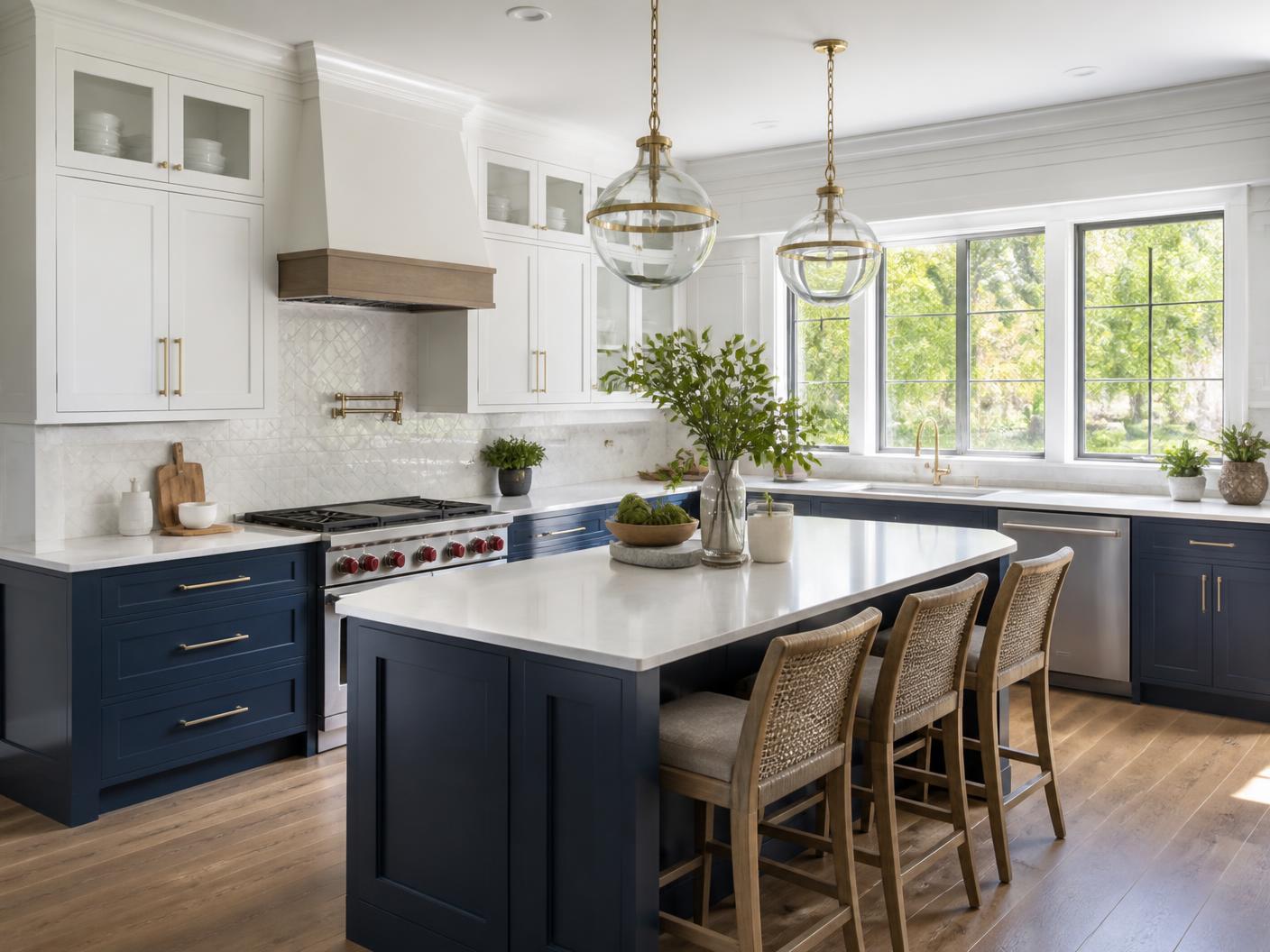
Sheen is more than a design preference
Paint sheen describes how reflective a finish appears. Flat, matte, eggshell, satin and semi-gloss labels are common, but their exact appearance can differ between product lines. Look at the actual product and sample rather than assuming every manufacturer uses the same scale.
The right choice depends on the room’s use, wall condition, lighting and expected cleaning. A quiet bedroom wall and a frequently touched door may need different finishes. Discuss each surface as part of the painting scope rather than approving one sheen for the entire home without considering its demands.
Consider wall condition and light
More reflective coatings can make some surface irregularities more noticeable, especially in strong side lighting. A smooth sample board will not reproduce every effect of an older wall. Examine the room’s texture, repairs and daylight before making the final selection.
Preparation still matters regardless of sheen. A less reflective finish does not repair a cracked surface or remove ridges left by previous work. Ask which repairs are included and view samples in the room where they will be used, not only under the store’s lighting.
Match cleaning expectations to the product
A hallway, playroom or kitchen may need a finish suited to frequent cleaning. Scrub resistance depends on the formulation and curing, not just the sheen name. Review the manufacturer’s guidance for the actual product instead of assuming all satin coatings perform identically.
Fresh coatings need time before cleaning. Ask when routine washing can begin and which methods are appropriate. Avoid harsh cleaners or aggressive scrubbing without checking guidance. Maintaining the finish properly is part of the decision, especially where hands, cooking residues or furniture regularly contact the wall.
Treat trim, doors and cabinets separately
Baseboards, door frames and cabinets face different wear from walls. They can require different coating systems and preparation. A trim product may be chosen for its suitability and appearance rather than simply because its sheen matches the walls.
If cabinets are included, discuss them as a refinishing project with a defined surface list. Cabinet material, grease and existing coatings can all change the preparation plan. Combining the projects may help coordinate the color palette, but it does not make the surfaces technically interchangeable.
Test the whole palette in context
View wall and trim samples together beside flooring, counters and furniture that will remain. The same color can look different under warm lamps and daylight. Evaluate it at several times of day and in both bright and shaded parts of the room.
If adjoining rooms are being painted, consider the transitions between them. Keep the approved product names, colors and sheens together in your records. This makes later maintenance easier and avoids choosing a touch-up product based on a color name while overlooking the finish.
Include finish choices in your quote
For interior painting in Grand Rapids, Kentwood or Ada, send A-1 a room list and explain how each space is used. Mention cleaning priorities, wall imperfections and whether trim, doors or cabinets will also change. Samples can then support a more informed scope discussion.
The residential painting page covers interior painting and preparation; the cabinet service page covers targeted refinishing. A product recommendation should reflect your actual surfaces and requirements, not a universal online rule that says one sheen is always the best answer.