Start with condition, not just color
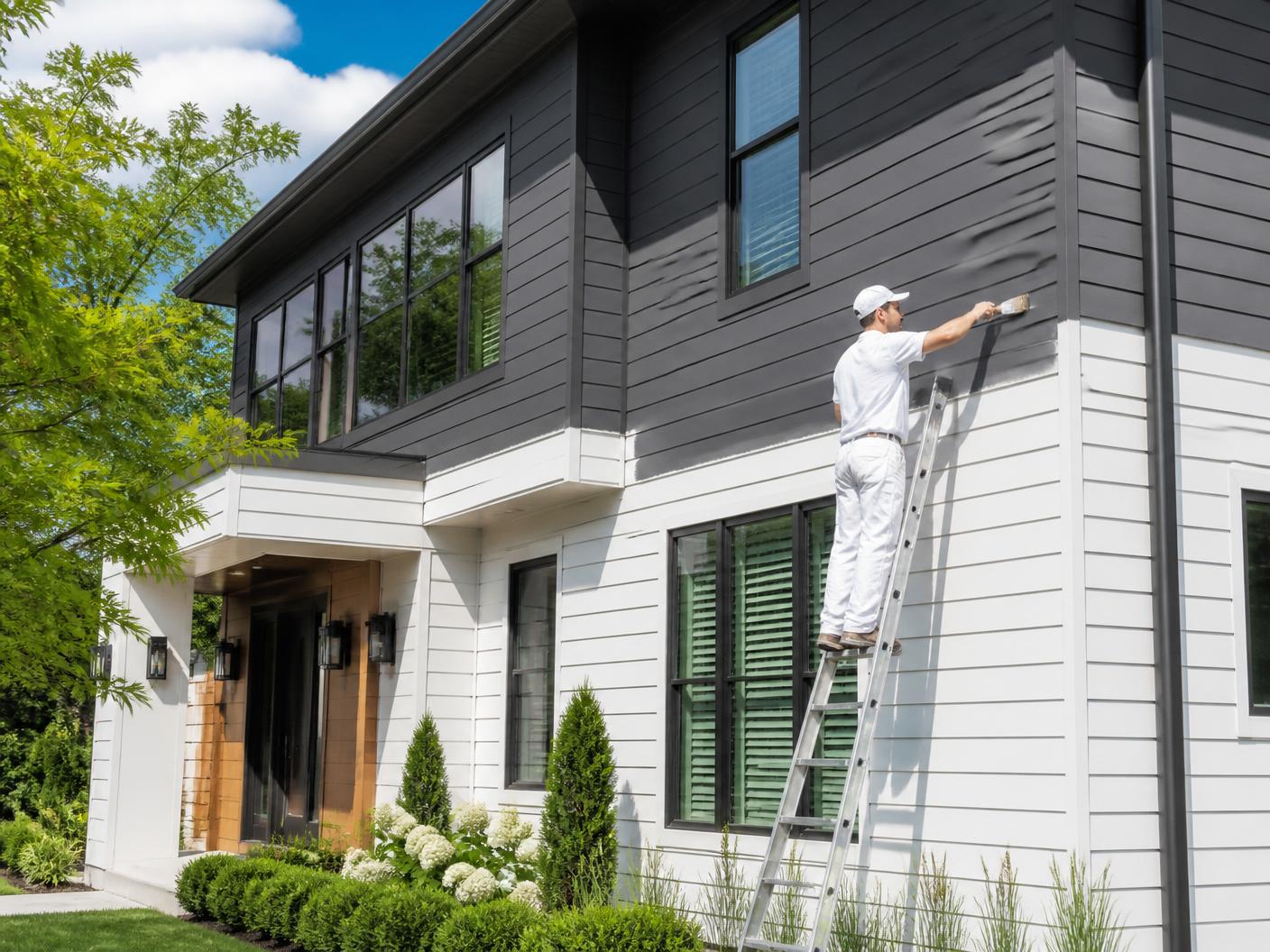
An exterior repaint should begin with an inspection of the existing finish. Look for peeling edges, chalky residue, open joints, exposed wood and areas that stay damp. These conditions affect preparation and coating selection. Painting over a failing layer can leave the new finish attached to material that is already coming loose.
Walk around the building and photograph each elevation. Include window trim, porch details, doors and difficult-to-reach surfaces. A useful estimate separates surfaces to be painted from repairs, staining and items that will stay untouched. This makes it easier to compare proposals without assuming every painter has priced the same work.
Choose a weather window, not a fixed month
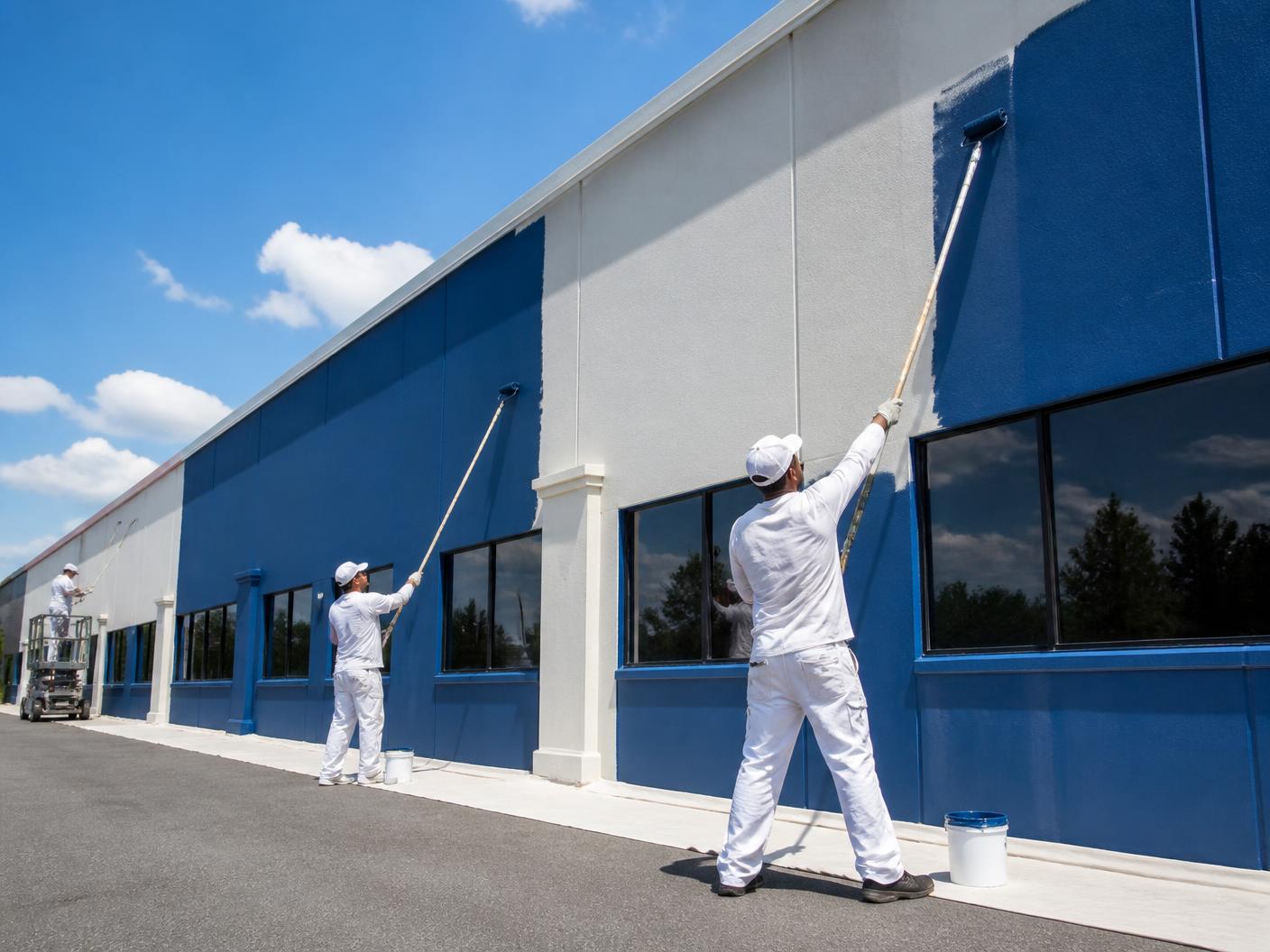
Michigan exterior painting depends on actual conditions rather than a date on the calendar. Air temperature, surface temperature, humidity, dew and rain can all affect application and drying. Follow the selected product’s technical instructions; different coatings have different minimum temperatures and rain-ready requirements.
An afternoon that feels warm may follow a damp morning, and shaded siding can dry differently from a sunny wall. Ask how the crew will monitor conditions and handle weather interruptions. A realistic schedule leaves flexibility for preparation, recoating and safe drying instead of promising completion regardless of the forecast.
Understand the preparation sequence
Cleaning removes contaminants that interfere with adhesion, but washing is not a substitute for removing loose paint. The preparation plan may include cleaning, scraping, appropriate sanding, spot priming and compatible joint treatment. Wood must be sufficiently dry before coating. Damaged materials should be evaluated rather than hidden under paint.
Older houses require additional care before disturbing existing coatings. If the home was built before 1978, ask about lead-safe requirements and whether the work falls under EPA’s Renovation, Repair and Painting rule. Do not dry-sand unknown old paint as a casual weekend preparation task.
Match the finish to the surface
Wood siding, previously painted masonry, metal doors and trim do not automatically use the same coating system. Share what you know about the substrate and previous products. The painter should evaluate compatibility, whether a primer is needed and any manufacturer requirements for application or maintenance.
Color and sheen are part of the decision, but they should come after the surface assessment. Sample colors outdoors on more than one side of the house and view them in daylight and shade. Coordinate the body color with roofing, masonry and other materials that are not changing.
Make the estimate specific
Ask which elevations, trim pieces, doors and outbuildings are included. Discuss landscaping protection, access to water and electricity, equipment placement and how entryways will remain usable. Clearly identify homeowner responsibilities and any concealed damage that could change the scope after preparation begins.
Before accepting a proposal, review the preparation methods, coating products, included coats, exclusions and cleanup expectations. A lower total is not necessarily a better value if it leaves major surfaces or necessary preparation out. Request clarification in writing while the scope is still being planned.
Plan for care after the repaint
Once the work is complete, keep the product and color information with your home records. Ask when painted surfaces can be cleaned and what maintenance is appropriate. Inspect joints, drainage and areas exposed to persistent moisture periodically so a small problem does not become a larger repair.
A-1 offers residential painting and exterior maintenance discussions across West Michigan. For a Holland or Lakeshore project, send the property location, photographs, surface list and preferred timing with your quote request. These details help begin a useful conversation without pretending a precise price can be set from a single photograph.