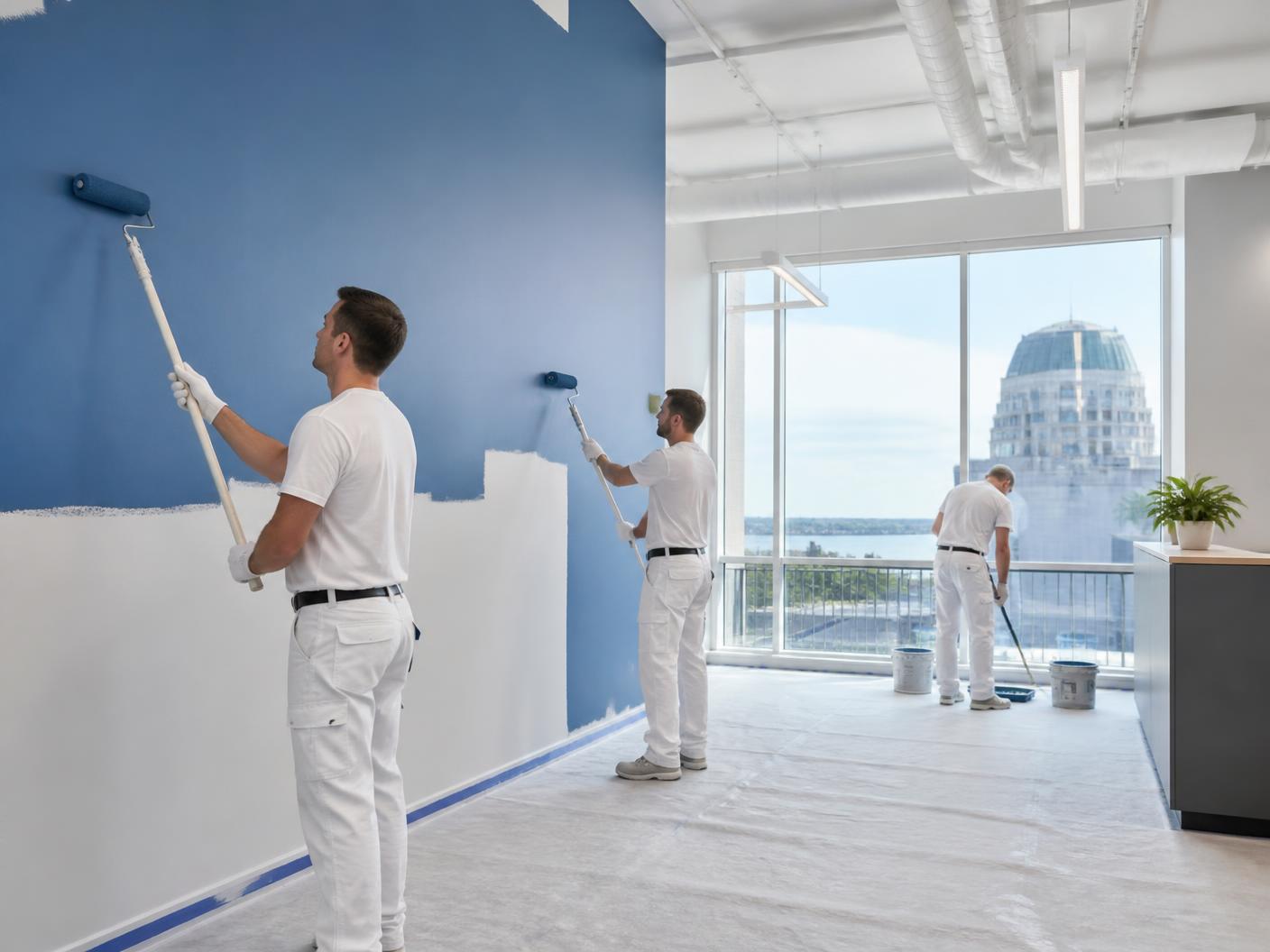
Start with how the building operates
An occupied commercial building is a working environment, not an empty canvas. Office staff, visitors, deliveries and tenants may all need access during painting. Before discussing colors, identify normal operating hours, restricted spaces and the entrances that must remain available.
Name a primary property contact who can answer questions and communicate changes to occupants. Share building rules, security requirements and access procedures. Clear coordination reduces avoidable interruptions without promising that every painting project can take place with no effect on daily operations.
Define work zones and a realistic sequence
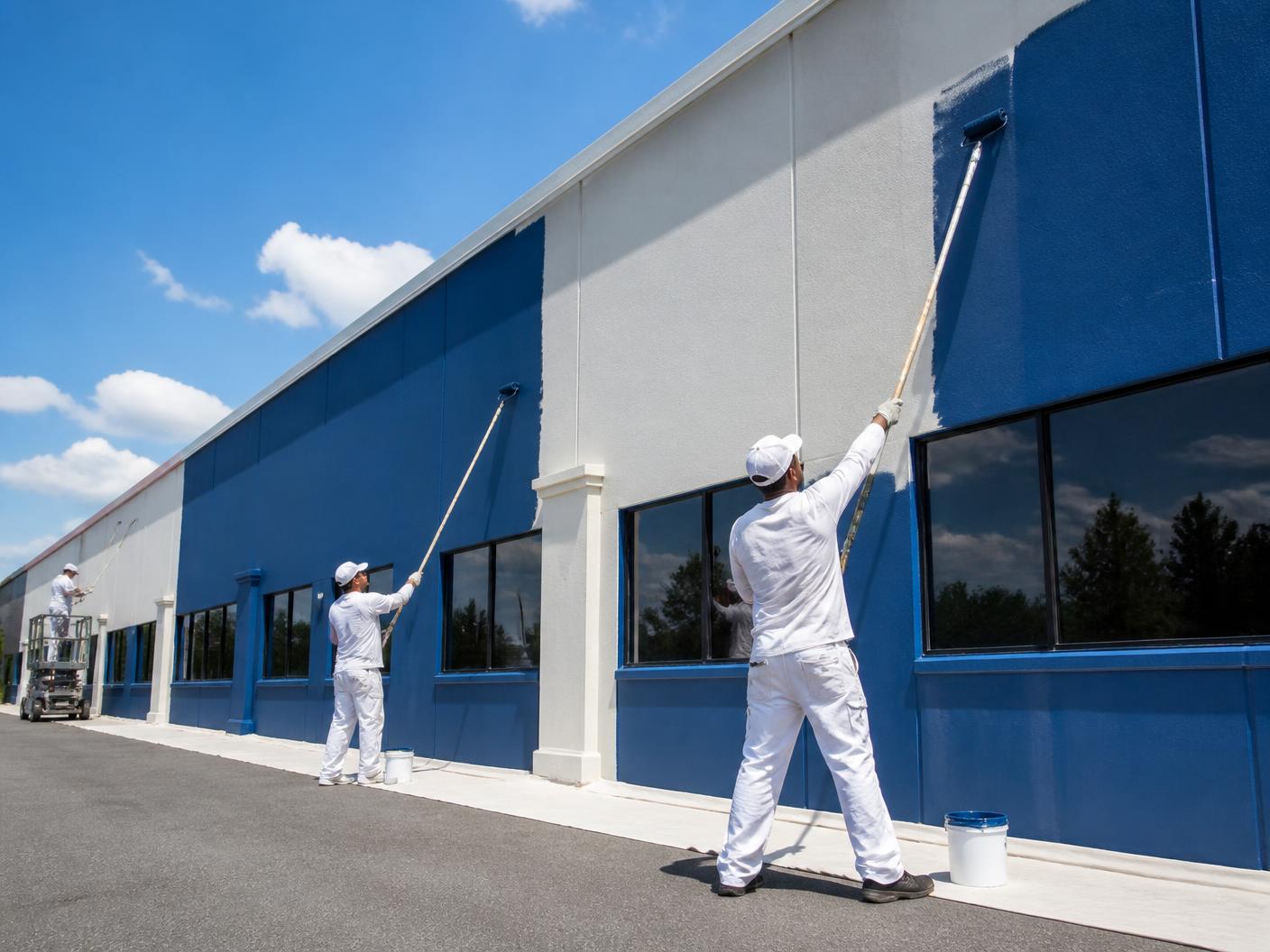
A phased plan can separate the project into rooms, floors or exterior elevations. The right sequence depends on the building and scope. Ask how work areas will be isolated, how equipment will be stored and when furniture or fixtures need to be moved.
If evening, weekend or off-hours work would help, discuss availability rather than assuming it is included. Confirm any building-specific approvals and how schedule changes will be communicated. Weather-sensitive exterior work and drying periods can affect the sequence even when the painting labor itself is carefully planned.
Match coatings to surface and use
High-touch corridors, offices, warehouse walls and exterior surfaces have different cleaning and exposure needs. Explain how each area is used and what problems the existing finish has shown. Coating selection should consider the substrate and maintenance expectations, not just the company’s preferred color.
Ask about product guidance for ventilation, drying and cleaning. A low-odor description does not remove the need to manage the work area appropriately. For spaces with special operational or regulatory requirements, involve the responsible building professionals rather than treating general painting advice as a compliance assessment.
Document preparation and exclusions
Commercial estimates should identify included surfaces, preparation, repairs, products and access requirements. Clarify whether doors, frames, ceilings, exposed structures or specialty surfaces are included. The phrase “paint the office” is too broad to make proposals reliably comparable.
Flag leaks, recurring stains and damaged substrates before work begins. Building repairs may need to be completed before painting can deliver the intended finish. Define how unforeseen conditions and additional work will be approved so the crew is not left deciding scope changes without the property manager’s input.
Communicate with occupants before work starts
Provide occupants with the agreed work sequence, affected areas and contact arrangements. Identify where people should not enter and how common areas will remain usable. If personal workstations need to be cleared, give staff enough notice to remove sensitive documents and valuables.
At completion, arrange a walkthrough against the written scope and retain coating information for maintenance. Ask when cleaning can resume and how early touch-ups should be handled. Good records help future facilities staff maintain a consistent finish without relying on memory or an unlabeled paint container.
Plan your Lansing commercial quote
A-1’s Lansing contact number is 517.292.2822. For an office, retail or managed-property repaint in Lansing or nearby Mid-Michigan communities, include the building address, approximate work areas, photographs, operating hours and desired timeline.
The commercial painting service page covers the broader offering for offices, retail spaces, warehouses and managed properties. Scheduling and access should be agreed for the actual project. A planning discussion is not a guarantee of overnight completion or unrestricted off-hours availability.