Inventory the details worth preserving
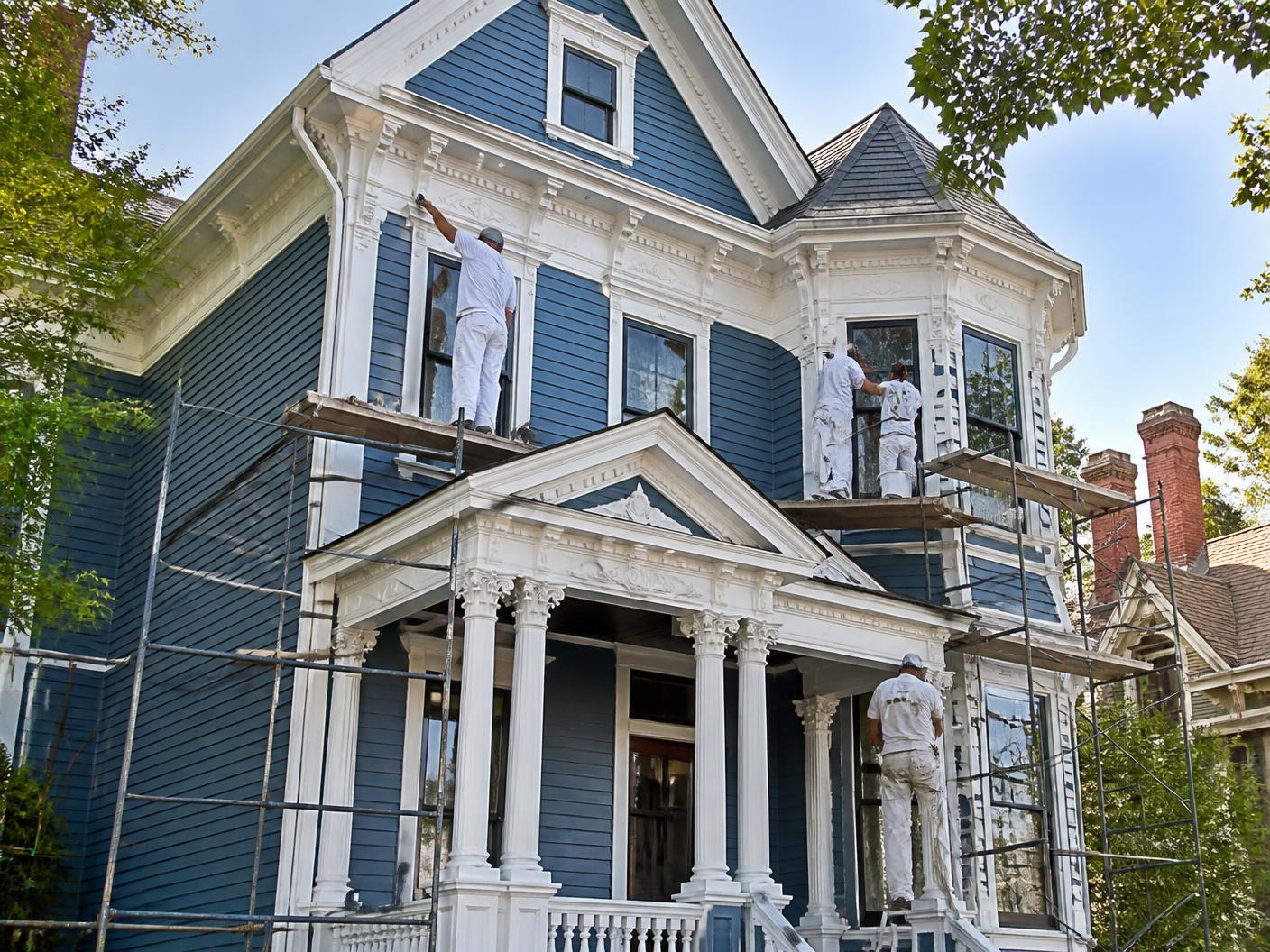
Historic-home painting begins with understanding the materials already there. Wood trim, plaster, decorative millwork and layered exterior coatings may each need a different approach. Photograph the details you want to preserve and point out areas where previous repairs have changed the appearance.
Ask how preparation will avoid unnecessary loss of sharp edges and architectural detail. Heavy sanding or indiscriminate stripping is not automatically the right answer. The goal is a sound surface and suitable finish while respecting the features that make the house distinctive.
Ask about lead before disturbing old paint
Homes built before 1978 may contain lead-based paint. Under EPA’s Renovation, Repair and Painting program, paid work that disturbs paint in covered properties can require certified firms, trained renovators and lead-safe practices, subject to the rule’s requirements and exceptions.
Ask the contractor how lead risks will be assessed and what requirements apply to your project. Do not assume a home is lead-free because the top coat is recent. This article does not claim that A-1 holds a particular certification; confirm the appropriate qualifications and planned practices directly before authorizing covered work.
Investigate failure before choosing a coating
Peeling, blistering and recurring stains can indicate underlying moisture or adhesion problems. Identify drainage issues, leaks and damaged materials before treating paint as the sole solution. A finish can improve appearance, but it cannot correct every building condition beneath it.
Explain what repairs have been tried and when the failure returns. Photographs taken across seasons may help the assessment. Structural, moisture or preservation questions may require additional professionals. The painting scope should make clear which problems are being addressed and which need separate investigation.
Check local preservation requirements
If the property is in a regulated historic district, ask the relevant local authority whether the proposed work needs review. Requirements can vary by property and by the nature of the change. Do not assume that a general city painting page establishes approval for a specific address.
Keep proposed colors, materials and repair methods available for any required review. A historic-looking palette is not the same as evidence of an original color scheme. If historical accuracy is a goal, discuss appropriate research and documentation rather than relying solely on current design trends.
Create a detailed preparation and finish scope
List exterior elevations, windows, trim, doors and interior surfaces separately. Clarify cleaning, repair, primer and finish decisions, as well as how surroundings will be protected. Older details often make the quality of scope definition more important than the simplicity of a total price.
Ask how fragile areas and unexpected damage will be handled and approved. Keep product and color records after completion. Ongoing inspection of moisture-prone areas and failed joints can help you respond to problems early, though no generic maintenance schedule can guarantee a coating’s lifespan.
Discuss your Saugatuck property
A-1 offers historic-property painting as part of its Saugatuck and wider West Michigan services. Share photographs of the house, its trim details, known age and any district-review information with a quote request. Be specific about preserving, repairing or refinishing existing features.
For older interiors and exteriors, safety and material condition should take priority over speed. Review the EPA information linked below and confirm project-specific lead-safe requirements with the contractor. Useful planning respects both the property and the people who live and work around it.